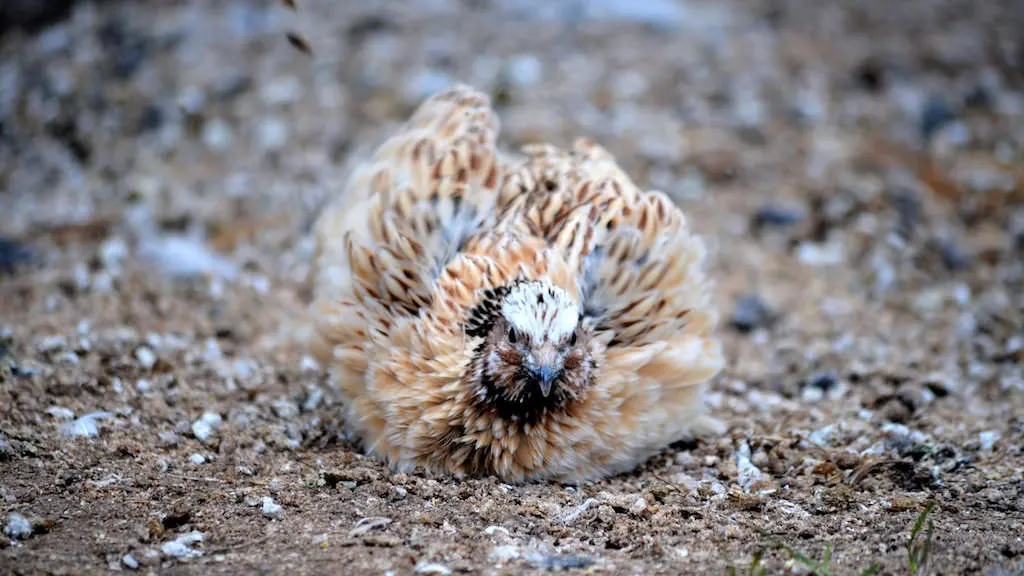
I killed my first real batch of chicks by feeding them the wrong bag. Not spoiled feed, not moldy feed, just a 20 percent chick starter I grabbed off the shelf because it was what the feed store had in stock. Coturnix chicks need something closer to 28 to 30 percent protein in their first weeks, and mine limped along stunted and weak-legged until I figured out why. That mistake is the reason this list exists.
The short version: for chicks, buy a real 28 to 30 percent game bird starter, not chick feed. For grown birds not laying yet, Purina Flock Raiser is the standard for a reason. For layers, get a calcium-fortified game bird layer, not plain layer crumble made for chickens. Below is exactly which bags I buy for each stage, what they cost right now, and where people waste money.
Why can’t quail just eat chicken feed?
Chickens and quail are not built the same way. A coturnix hen lays close to an egg a day at her peak and reaches laying age in about 6 to 8 weeks, which is absurdly fast for a bird her size. That kind of output needs more protein than a standard layer ration provides. Standard chicken layer feed runs 16 to 18 percent protein, which is fine for a chicken but leaves quail short, especially hens trying to keep up egg production. Chick starter for chickens runs even lower, around 18 to 20 percent, which is the mistake I made.
Mississippi State University Extension’s quail feeding guidance backs this up: game bird starter diets run around 28 percent protein and grower diets around 22 percent, well above standard poultry feed at every stage. My guide to what quail eat by age breaks down the full protein timeline if you want the week-by-week numbers. This article is about which actual bags to buy.
What is the best starter feed for quail chicks?
From hatch to about 6 weeks, chicks need the highest protein feed they will ever eat. Purina’s Game Bird + Turkey 30% Protein Starter is the one I restock every hatch. It is a crumble sized right for tiny beaks, and the 30 percent protein number is not a marketing rounding trick, it is the actual minimum coturnix chicks need to avoid the stunted, weak-legged growth I dealt with on my first batch.
 Best starter: Purina Game Bird + Turkey 30% Protein Starter. A true 30 percent protein crumble sized for game bird chicks, feed from hatch to 6 weeks.
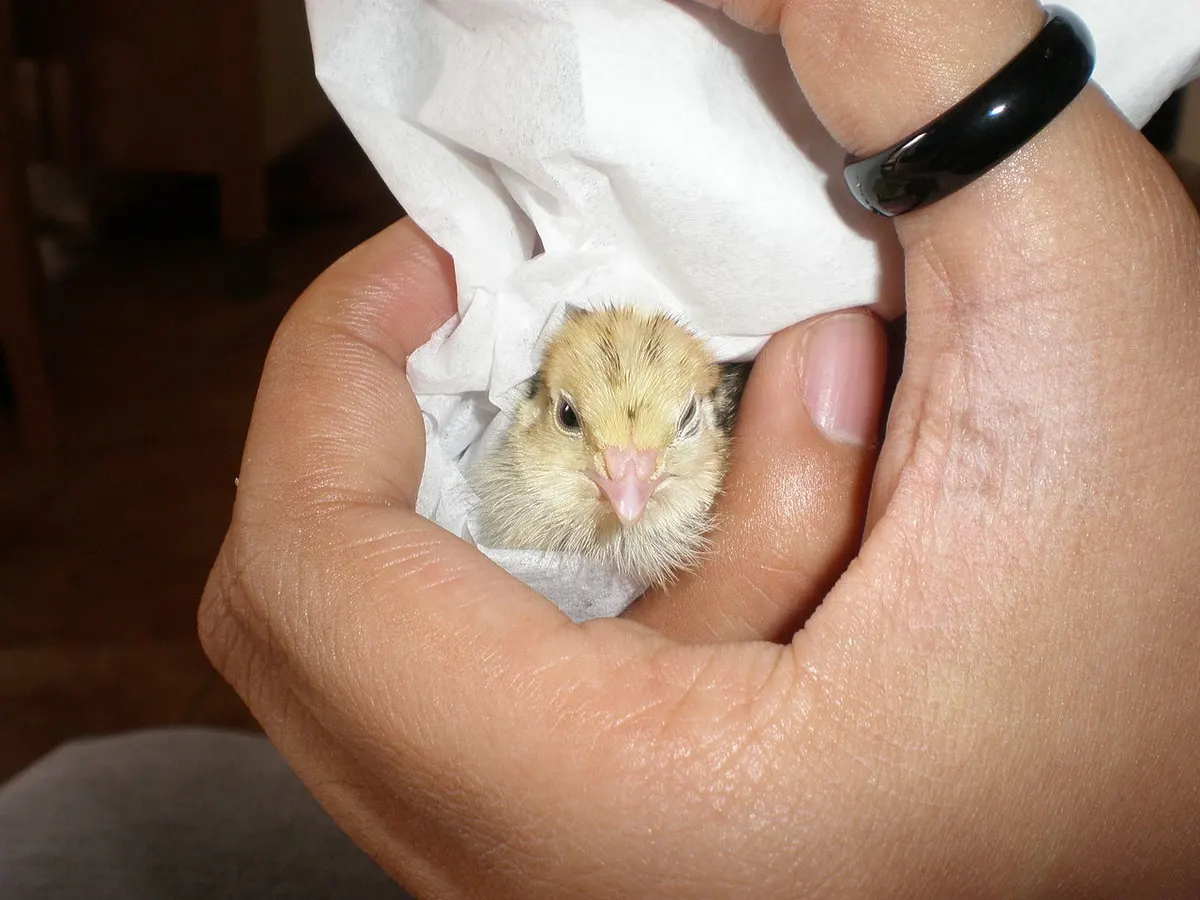
A 40 pound bag sounds like overkill for a handful of chicks, but it does not go to waste. Once your chicks hit 6 to 8 weeks, the leftover starter blends fine into the transition to grower feed instead of a hard cutoff switch, which quail tolerate better than an abrupt feed change.
What should grown, non-laying quail eat?
Once birds are past 8 weeks and not yet laying, or if you are raising a mixed-age flock and don’t want to sort feed by pen, Purina Flock Raiser Crumbles is the default answer. It runs about 20 percent protein, which covers growing juveniles and adult birds that are not in active lay, and it is labeled for exactly this use on turkeys, pheasants, and quail.
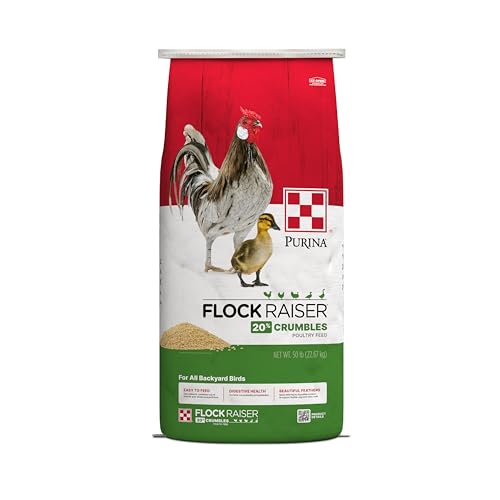 Best all-flock feed: Purina Flock Raiser Crumbles. Around 20 percent protein, labeled for turkeys, pheasants, and quail 8 weeks and older. The feed I keep in the shed year-round.
This is the bag I buy in bulk, because it is the one feed that works whether a pen is full of teenage birds, retired breeders, or a rooster-heavy group I am not actively hatching from. It is not the right choice for hens in heavy lay, though. Keep reading.
Is there a good budget or small-flock feed?
Not everyone wants a 40 or 50 pound bag taking up shed space, especially with two or three birds on a balcony or in an apartment setup. Manna Pro’s Gamebird & Showbird Crumbles comes in a 5 pound bag at 24 percent protein, which is enough to cover grower and light-lay needs without committing to a giant sack that goes stale before you finish it.
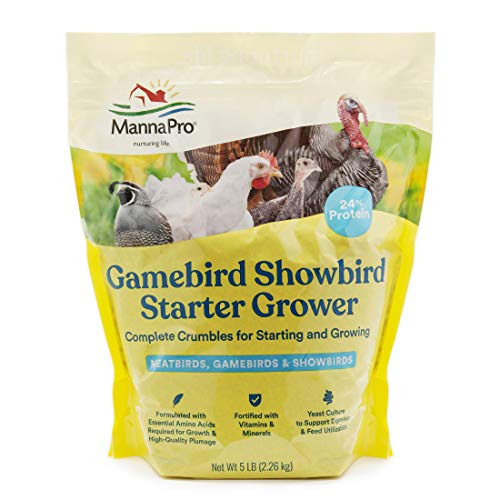 Best small-flock bag: Manna Pro Gamebird & Showbird Crumbles. 24 percent protein in a 5 pound bag, the right size for a small coop or balcony setup that doesn't need bulk.
If you run a small setup like this, pair it with a no-waste feeder, because small bags get expensive fast if a third of it ends up kicked onto the cage floor.
Is there a non-GMO game bird feed worth the price?
If you are feeding non-GMO on principle or your birds’ eggs are going to customers who ask, Kalmbach’s Start Right Non-GMO Turkey & Gamebird Crumble is the one I have seen hold up best. It runs 28 percent protein, which puts it in true starter territory even though it is also marketed as a broader gamebird feed, and it uses Non-GMO Project Verified ingredients start to finish.
 Best non-GMO pick: Kalmbach Start Right Non-GMO Crumble. 28 percent protein, Non-GMO Project Verified, formulated for turkeys and gamebirds from hatch through 6 weeks.
It is priced close to the Purina starter, so this comes down to whether non-GMO sourcing matters to you or your customers, not a difference in nutrition.
What is the best feed for laying quail?
This is where I see the most mistakes, because it is tempting to grab a bag labeled “layer” off the shelf without checking whether it is formulated for chickens or game birds. Purina’s Game Bird Layer Feed is built specifically for laying pheasants, quail, and other game birds, with added calcium for shell strength and a protein level tuned for daily egg production, not a chicken’s slower lay rate.
 Best layer feed: Purina Game Bird Layer Crumbles. Calcium-fortified crumble built for laying game birds, not a chicken layer ration in a different bag.
Even on a good layer feed, I keep a separate dish of crushed oyster shell available free choice. Hens laying almost daily pull calcium from their own bones when diet alone falls short, and free-choice grit lets each bird take what she actually needs instead of guessing at a blend ratio.
How do these five feeds compare?
| Feed | Protein | Bag size | Best for | Price |
|---|---|---|---|---|
| Purina Game Bird + Turkey 30% Starter | 30% | 40 lb | Chicks, hatch to 6 weeks | $54.99 |
| Purina Flock Raiser Crumbles | ~20% | 50 lb | Growers and non-laying adults | Check current price |
| Manna Pro Gamebird & Showbird Crumbles | 24% | 5 lb | Small flocks, balconies | Check current price |
| Kalmbach Start Right Non-GMO Crumble | 28% | 50 lb | Non-GMO starter/gamebird feed | $51.99 |
| Purina Game Bird Layer Crumbles | Formulated for lay | 40 lb | Actively laying hens | $49.99 |
Do quail need anything besides feed?
A complete game bird feed covers the base nutrition, but two extras matter. Free-choice insoluble grit helps birds grind feed in their gizzard, especially if they are on pellets or crumbles rather than foraging on natural grit outdoors. Free-choice crushed oyster shell covers the calcium gap for laying hens, since even a good layer feed is formulated as an average, not a guarantee every bird gets enough. Offer both in a separate dish, never mixed into the feed itself, so birds can self-regulate.
Fresh water matters just as much as feed choice. A quail on a great feed and a dirty or empty waterer will still underperform, so if your watering setup needs an upgrade too, that is a separate project worth doing at the same time.
The quick answers
- Quail chicks need 28 to 30 percent protein starter feed from hatch to about 6 weeks.
- Growing and non-laying adult quail do well on Purina Flock Raiser, around 20 percent protein.
- Laying hens need a calcium-fortified game bird layer feed, not standard chicken layer crumble.
- Standard chicken feed runs too low in protein for quail at every life stage.
- A 40 to 50 pound bag of starter or layer feed typically runs $50 to $55.
- Offer free-choice grit and crushed oyster shell separately, never mixed into the feed.
- Coturnix hens can lay close to one egg per day, which is why their protein and calcium needs run higher than a chicken’s.
Which bag should you actually buy?
If you only remember one thing from this list, remember that “quail feed” is not one product, it is at least three: a high-protein starter for chicks, a maintenance feed for growers and non-layers, and a calcium-fortified layer feed for hens in production. Buying the wrong one of those three is the single easiest way to stall growth or tank your egg count without realizing why.
Once your feed setup is sorted, the rest of the husbandry gets a lot easier. My breakdown of what quail eat by age goes deeper into the week-by-week transition schedule, and if you are still budgeting out the whole operation, the real cost of raising quail shows exactly where feed lands in the monthly total.