I built my first real quail aviary setup two summers ago, mostly because I got tired of staring at wire cages and wanted to actually watch my birds act like birds. Within a week I’d also learned exactly why most “aviary” posts online show gorgeous day-one photos and nothing after that. Plants get eaten to stumps, a rat finds the one soft spot in your perimeter, and a sudden rainstorm turns half your floor into soup.
None of that means a planted aviary is a bad idea. It’s the most satisfying way to keep Coturnix if you’ve got the yard for it. It just needs to be built right the first time, because retrofitting a 10 by 10 foot pen after the fact is a lot more work than doing the fencing and drainage correctly up front.
What actually makes something an “aviary” and not just a big pen
Every quail keeper has their own definition, but functionally an aviary is a walk-in, fully enclosed, ground-level pen big enough that a person stands up inside it, usually with some combination of living plants, natural ground cover, and permanent structure instead of a tractor you drag around the yard. It’s the large, planted end of the spectrum that starts with wire cages and runs through compact ground pens. I’ve written a full breakdown of wire cage vs ground pen trade-offs if you’re still deciding whether ground-level housing is right for you at all. This guide assumes you’ve already decided yes, and you want to go big and planted.
Sizing your quail aviary setup correctly
Our cage size guide covers the one square foot per bird rule for wire cages, but ground-level setups need roomier math because birds use the space completely differently, sprinting, dust bathing, and nesting in cover instead of just standing on wire. Figure 2 square feet of usable floor per adult bird as your floor, not your ceiling.
| Covey size | Minimum aviary floor space | Realistic footprint |
|---|---|---|
| 6 to 8 hens | 12 to 16 sq ft | 4 x 4 ft walk-in |
| 10 to 15 birds | 20 to 30 sq ft | 5 x 6 ft or 6 x 5 ft |
| Breeding colony, 15 to 20 birds | 30 to 40 sq ft | 6 x 6 ft, room for a hide and plants |
| Hobby flock wanting real landscaping | 50+ sq ft | 8 x 10 ft or larger |
Two square feet per bird is the floor, not the goal. I’ve seen keepers build an 8 by 3 foot pen for 15 to 17 birds and immediately get told by everyone in the comments that it’s too tight, and they were right. Plants and hides eat into usable floor space, so size for the plants you want plus the birds you have, not just the birds.
The height rule from our cage size guide still applies here and matters even more in an aviary: build either under 12 inches or over 6 feet, never in between. A flushing quail accelerates straight up, and anything in the 1 to 5 foot range gives it just enough runway to hit a hard ceiling at full speed. A walk-in aviary tall enough for you to stand in solves this automatically, which is one of the real advantages of going big instead of building something medium-sized.
Predator-proofing is the part people skip, and it’s the part that matters most
A cage has a small perimeter you can check in thirty seconds. An aviary has a long perimeter, a roof, and a floor edge, and a determined predator only needs to find the one weak point you didn’t check.
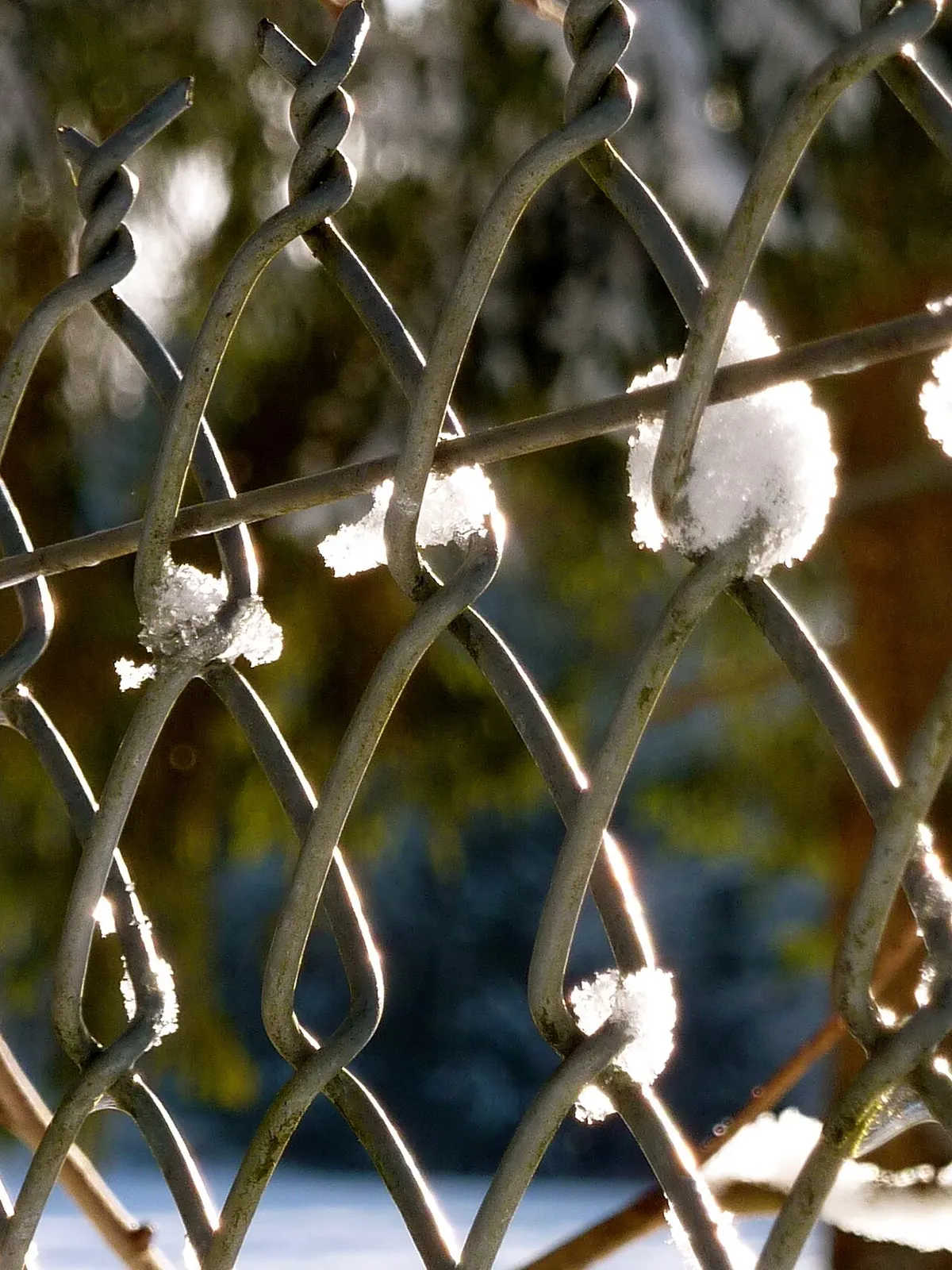
Mesh size does most of the work. According to New Hampshire Fish and Game, quarter-inch hardware cloth is the standard for keeping out the smallest predators, weasels especially, while anything with openings close to an inch lets raccoons reach through and grab a bird even without getting inside. For a quail aviary I run half-inch hardware cloth on the main walls and roof, and drop to quarter-inch anywhere a snake or a determined rat could otherwise squeeze through, which in practice means the bottom foot of wall and the buried floor apron. Oklahoma State University Extension backs the same under-one-inch standard and adds the detail most first-time builders miss: any fence buried to stop digging predators needs to go at least 12 inches straight down, not just a few inches of token burial.
 SEBOSS 1/2 Inch Hardware Cloth, 19 Gauge. This is what I run on aviary walls and the roof, and I buy a second roll just for the buried perimeter apron. Tight enough to stop rats, strong enough to hold its shape over a multi-year build.
The roof is not optional. A wide-open top turns your whole build into a hawk feeder, and an aviary tall enough to stand in still needs full coverage, either more hardware cloth or a UV-rated poultry netting stretched tight enough that nothing can land and work its way through. For the roof over a large footprint, hardware cloth gets heavy and expensive fast, so most keepers switch to a lighter aviary or anti-bird netting there instead, reserving the heavier hardware cloth for the walls and buried apron where strength matters more than weight.
Plants that survive quail, not the other way around
This is where most planted aviary plans fall apart in the first month. Quail will eat almost anything green down to the base out of pure curiosity, so the plant list that works is shorter than the one you’ll want to plant.
A few practical notes from people who’ve actually done this, not just planned it:
- Grasses survive, broadleaf plants mostly don’t. Ornamental and muhly-type grasses tend to get left alone or just trimmed at the seed heads. Soft groundcover and fescue get eaten.
- Height protects plants from grazing. A potted rosemary or oregano up on a stand or ledge survives. The same plant at ground level gets stripped.
- Mint spreads further than you expect. If you want a scent border, contain the roots with a barrier buried at least 18 inches deep, or it escapes the bed entirely within a season, pots included.
- Skip anything you’re not sure is bird-safe. Nightshades, azaleas, and most bulb flowers have no business anywhere quail can reach them. When in doubt, leave it out.
Treat the plant list as structure and cover first, decoration second. A pen that’s 70 percent tough ornamental grass and 30 percent potted accent plants will still look and function better a year in than one planted with everything you liked at the garden center.
Substrate and drainage, or how to avoid building a swamp
Ground-level anything lives or dies on drainage. Site the aviary on a slight grade from the start, and skip any low spot in the yard no matter how convenient it looks. Standing water after rain is the single biggest reason planted pens turn into a smell and disease problem, and it’s much easier to fix with site selection than after the fact.
For substrate, a sand and dirt mix drains better than straight topsoil and gives birds a natural dust-bathing surface without a dedicated tub, though most keepers still add one shallow sand box in a sheltered corner for reliable dust bathing in wet weather. Our bedding guide covers sand, pine, and hemp in more depth if you’re deciding what to layer on top in wetter climates.
If you’re somewhere with real winters, check our winter quail care guide before you finalize the build. A fixed aviary is much harder to insulate or move than a cage, so cold-climate keepers often plan a smaller, more sheltered winter section within the larger footprint rather than trying to heat the whole thing.
Shelter, shade, and nesting cover
Quail want somewhere low and dark to feel safe, not an open lawn. Terra cotta pots laid on their sides work well and cost almost nothing. Low tunnels, stacked flat rocks, or a simple lean-to board against one wall all do the same job. Spread two or three of these around the pen rather than clustering them in one corner, so birds aren’t all competing for the same hiding spot.
Aviary vs cage vs ground pen, at a glance
| Setup | Typical footprint | Predator-proofing difficulty | Egg collection | Best for |
|---|---|---|---|---|
| Wire cage | 4 to 12 sq ft | Easiest, small elevated perimeter | Easy, droppings and eggs fall clear | Small spaces, minimal daily cleanup |
| Compact ground pen | 10 to 20 sq ft | Moderate, full floor apron needed | Moderate, hunting through litter | Backyard keepers wanting natural behavior without a huge build |
| Walk-in planted aviary | 30 to 50+ sq ft, 6+ ft tall | Hardest, long perimeter plus a roof | Hardest, birds nest in cover | Keepers with yard space who want to watch natural behavior long-term |
Mistakes first-time aviary builders make
Undersizing is the most common one. A pen that looked plenty big on paper feels cramped the day the birds move in, because plants and hides eat into floor space you budgeted for birds alone. Skipping the buried apron is the second, a fence that only sits on top of the ground is an invitation for anything that digs. Leaving the top open or under-covered is the third, and it usually ends with a hawk, not a rat. The fourth is planting everything you like instead of what survives, which just means replanting the whole bed in month two.
The quick answers
- Minimum floor space inside a quail aviary is 2 square feet per adult bird, more if you’re adding plants or hides.
- Build the structure taller than 6 feet so a flushing quail can’t reach the ceiling at full speed, or keep it under 12 inches if you’re not going tall.
- Use half-inch hardware cloth for walls and roof, dropping to quarter-inch anywhere a snake or rat could squeeze through, including the floor edge.
- Bury hardware cloth or welded wire at least 12 inches straight down around the entire perimeter to stop digging predators.
- Cover the top completely. An open-roof aviary is vulnerable to hawks and owls regardless of how secure the sides are.
- Ornamental and muhly-type grasses tend to survive quail traffic. Fescue and most soft herbs get eaten to the base within days.
- Contain spreading plants like mint with a root barrier buried at least 18 inches deep, or expect it to escape the bed within a season.
- Site the pen on a slight grade. Standing water after rain is the top cause of smell and disease problems in planted ground setups.
Build it right once and this quail aviary setup becomes the lowest-maintenance, most enjoyable way to keep quail long term. Build it undersized or unprotected and you’ll be rebuilding half of it by next spring.